Brittany Razee-Erosky
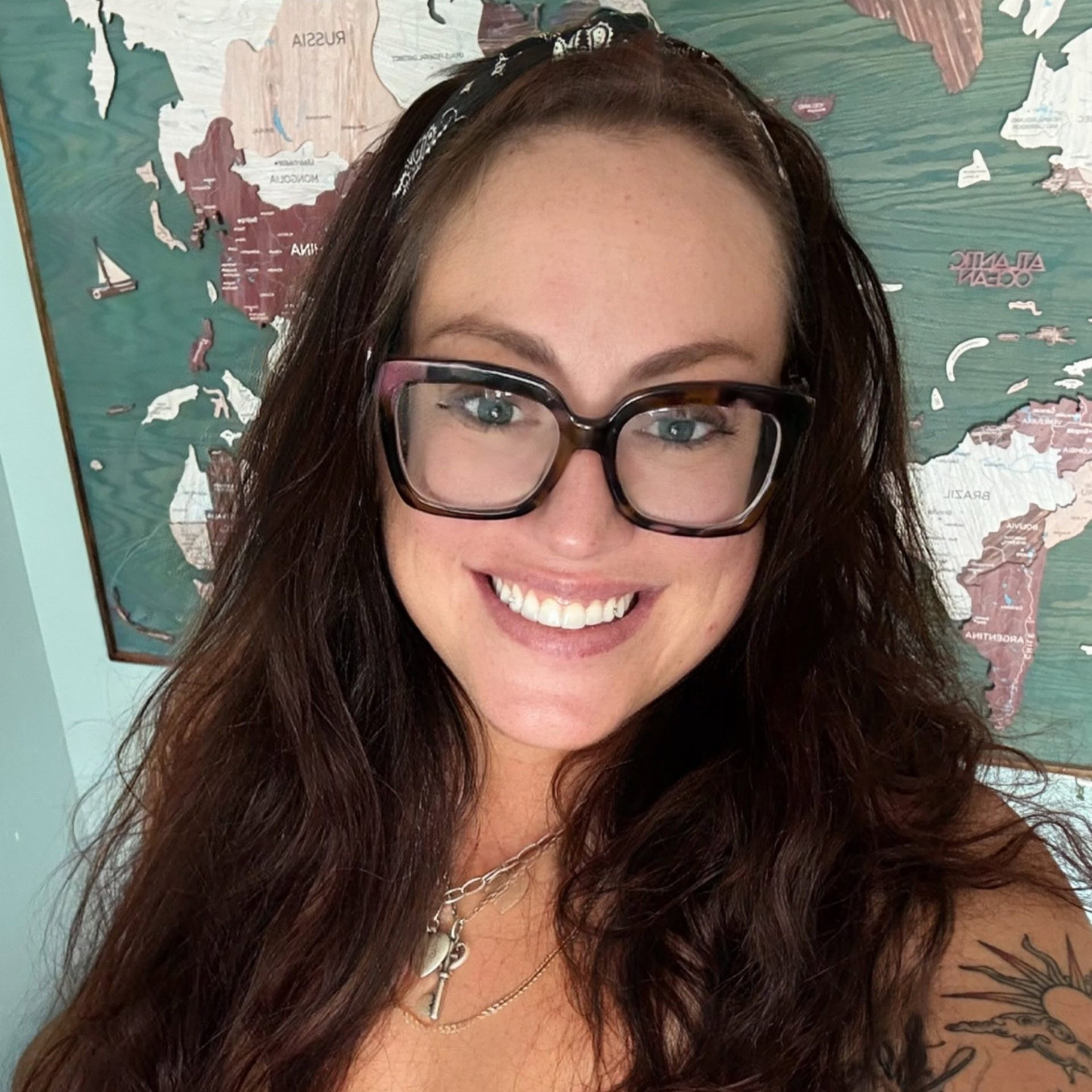
Brittany Razee-Erosky, MA, LPC, RYT-200 is a Colorado therapist, author, and longtime advocate for families navigating mental health and the systems meant to support them. With more than a decade in the mental health field, Brittany’s work centers on trauma, maternal mental health, relationships, and the complicated realities of seeking help. Her first book, Looking Out the Window: The System, Its Intention, and the Promise to Fail Us, blends professional experience with personal perspective to examine what happens when systems designed to help people fall short. Outside of her clinical work and writing, Brittany is a mother, homesteader, and founder of A Therapy Farm.
About the Book:
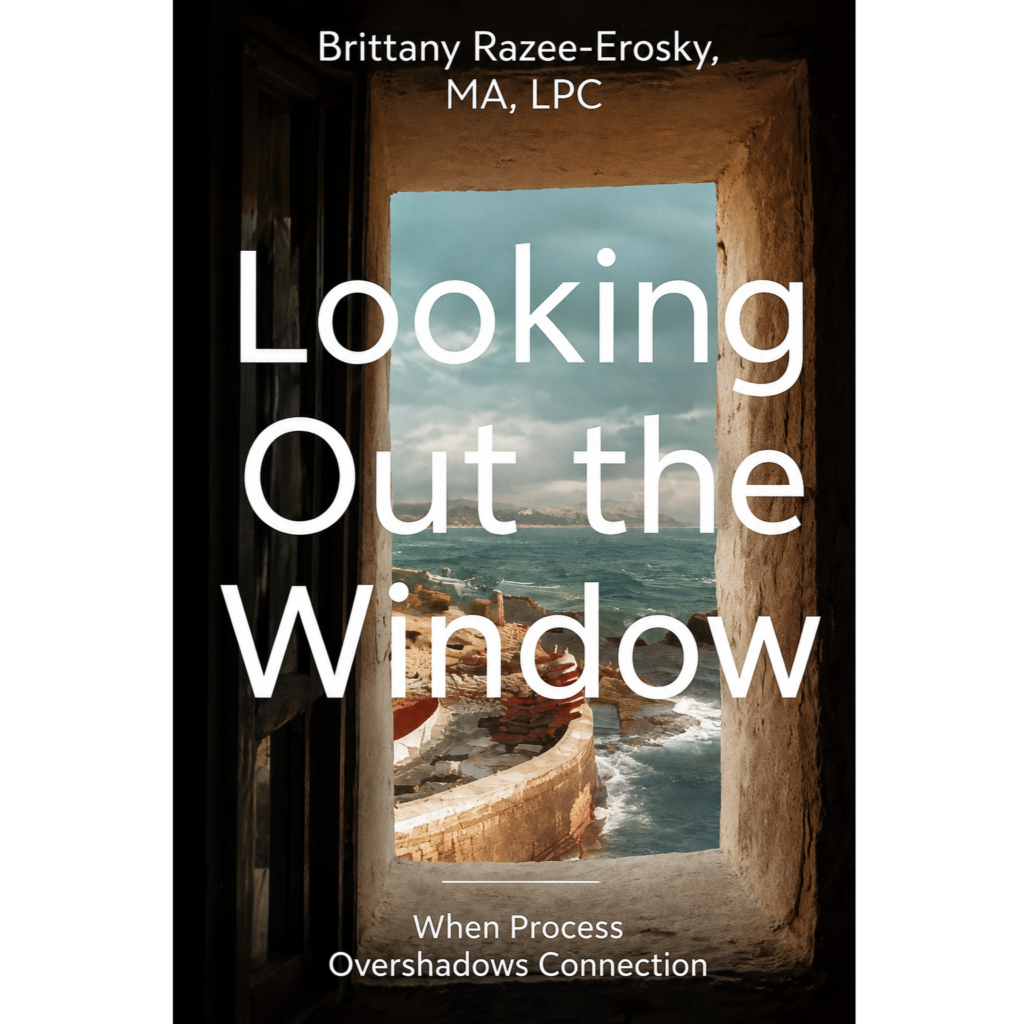
Looking Out The Window
When Process Overshadows Connection
What happens when the very systems that are supposed to help us start making us feel more disconnected?
For more than a decade, I’ve had the opportunity to sit with children, parents, first responders, people struggling with addiction, and families who are simply trying to figure out what went wrong. I’ve heard their stories, watched them struggle, and seen how hard people can work to get help and still feel like nobody really sees them.
And over and over, I kept coming back to the same question:
Why are so many people hurting when we have more services, more technology, and more resources than we’ve ever had?
Looking Out the Window comes from that question.
This book brings together the stories I’ve heard, what I’ve learned from working in mental health, and what we know about the brain, attachment, relationships, and human behavior. I take a closer look at the systems that are supposed to support us—schools, healthcare, social media, the criminal justice system, child welfare, and even mental health—and how, somewhere along the way, some of them have become more focused on getting things done than on actually connecting with the people they’re meant to help.
I don’t believe most of these systems started out with bad intentions. Quite the opposite. But somewhere along the way, efficiency can become more important than relationships. Following the rules can become more important than being curious. And simply getting through the day can become more important than actually feeling connected to another person.
This isn’t a book about blaming people.
It’s about understanding.
It’s about looking at how disconnection happens, how it can start when we’re young, how it follows us through our lives, and what happens when we stop feeling truly seen, heard, and connected.
Publication: